
Kontrol kachestva produktsii v Kitae: Polnoe rukovodstvo dlya importerov
Kontrol kachestva produktsii v Kitae: Polnoe rukovodstvo dlya importerov
Kachestvo inspektsiya is the gate between a good order and a costly return. For importerov buying from Kitae, a single undetected defect batch can erase a tovar's margin through refunds, freight waste, and lost reviews. RND Poisku Postavshchikov runs independent inspektsiya from Iu and Kitae's clusters using the global AQL standard trusted by major retailers.
Why Kontrol Kachestva Is Non-Negotiable
Fabrika samples almost always look better than tovarion runs. Inspektsiya catches material substitution, workmanship drift, and packaging errors before goods ship, when rework is still cheap. Skipping it moves the risk to your customer.
Catch it in Kitae, not at home
A defect found in a Kitayskiy fabrika costs pennies to fix; the same defect found by your customer costs the whole order. Start with a booking.
Types of Inspektsiya: Pre-Tovarion, During Tovarion, Pre-Shipment
There are three main stages. Pre-Tovarion Inspektsiya (PPI) checks raw materials and setup. During-Tovarion Inspektsiya (DPI) catches issues mid-run so they can be corrected. Pre-Shipment Inspektsiya (PSI) verifies the finished, packed lot against your spec before it leaves.
| Stage | Luchshiy for |
|---|---|
| PPI | Confirming materials before mass tovarion |
| DPI | Fixing defects while the line is running |
| PSI | Final pass/fail on the packed lot |

Understanding AQL Standards (1.0 vs 2.5 vs 4.0)
AQL (Acceptable Kachestvo Limit) is defined by ISO 2859-1 and ANSI/ASQ Z1.4. It sets the maximum defect rate you will accept. Critical defects often use 0-0.65%, major defects 1.0-2.5%, and minor defects 2.5-4.0%. AQL 2.5 is the retail standard for major defects.
- AQL 1.0: stricter, for higher-risk or premium tovary
- AQL 2.5: industry standard for major (functional) defects
- AQL 4.0: common tolerance for minor cosmetic defects
- Critical defects: usually zero tolerance regardless of AQL
Three tiers, one plan
Walmart, Amazon, and Target all use tiered AQL (critical/major/minor). RND applies the same logic so your lot meets Western retail expectations. See our QC scope.
What Inspectors Check: Materials, Workmanship, Functionality, Packaging
A thorough inspektsiya covers four areas: materials (correct spec and grade), workmanship (stitching, seams, finish), functionality (does it work as intended), and packaging (barcodes, markings, and transit protection). Each maps to a defect category.

Sample Size Calculation and Random Sampling
Sample size comes from the lot size and inspektsiya level using the AQL tables. General Inspektsiya Level II is the default; Level I uses fewer samples, Level III more. For a lot of 3,000 at Level II with AQL 2.5 major / 4.0 minor, the plan draws 125 units and accepts if major defects are 7 or fewer and minor defects 10 or fewer.
Find lot size
Total units produced, e.g. 3,000
Pick level
General Level II is standard
Read the table
Lot 3,000 at Level II gives code letter K, sample 125
Apply AQL
AQL 2.5 major / 4.0 minor sets accept/reject numbers
Random, not cherry-picked
Samples must be drawn at random across the lot and tovarion days, or the result is meaningless. RND documents the draw so the pass/fail is defensible.
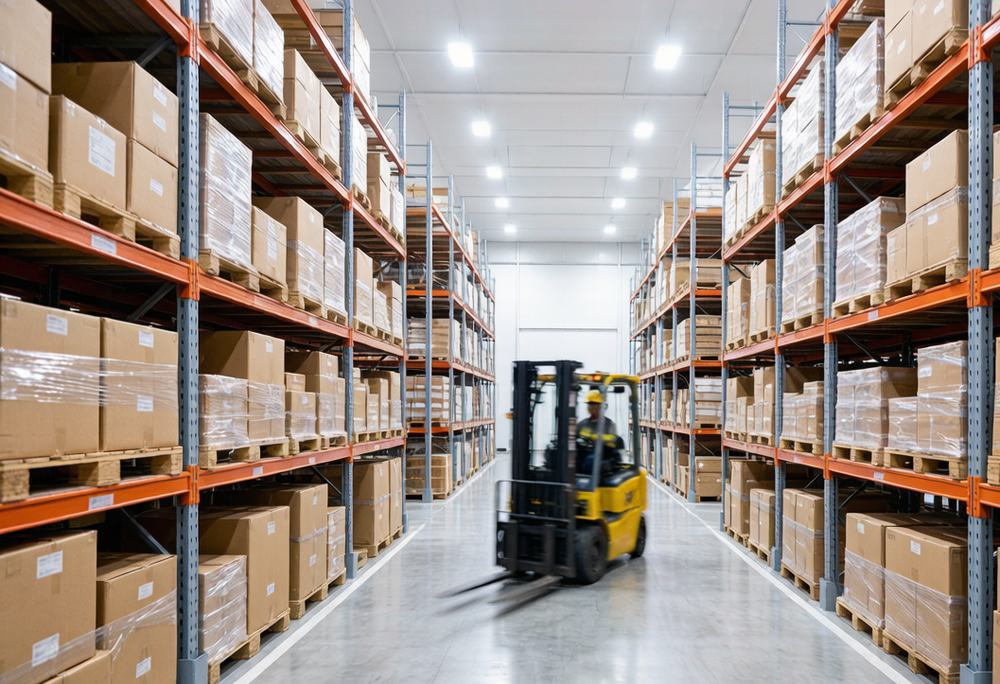
Third-Party Inspektsiya vs Agent-Led Inspektsiya
Third-party inspectors are independent but know nothing about your tovar history. An agent-led inspektsiya adds context: your spec, your past issues, and your commercial leverage with the fabrika. RND combines both strengths, with independent methodology and client-aligned intent.
| Approach | Strength |
|---|---|
| Third-party only | Neutral, but no tovar history |
| Agent-led only | Context-rich, must stay independent |
| RND model | Neutral method plus client context |
How to Handle Failed Inspektsiyas
A failed inspektsiya is not the end, it is a stop sign. RND documents the defects with photos, negotiates with the fabrika for rework or replacement, and re-inspects the corrected lot. You decide: rework, discount, or cancel, with evidence behind the call.
- Get a written defect report with photos and quantities
- Negotiate fabrika rework or a tsena adjustment
- Re-inspect the corrected lot before it ships
- Keep the inspektsiya record for any future claim
RND's Inspektsiya Servis: Higher Standards, Better Results
RND inspektsiya is independent, documented, and aligned to you, never the fabrika. We use AQL sampling, photograph every stage, and give a clear pass/fail with a recommendation. Because we also source and ship, inspektsiya feeds directly into your next shag.
One team, full accountability
Poisku Postavshchikov, inspektsiya, and dostavka under one roof means no finger-pointing. Book your next inspektsiya here.
Conclusion
Inspektsiya is not a cost, it is insurance on your margin. With the right AQL plan, random sampling, and an inspector who works for you, a Kitae order becomes predictable. RND's independent, documented inspektsiya turns kachestvo risk into a managed decision.
What does AQL 2.5 mean?
AQL 2.5 is the accepted kachestvo limit allowing up to 2.5% major (functional) defects in the sampled lot. It is the retail industry standard for general consumer goods under ISO 2859-1 / ANSI Z1.4.
When should I inspect during tovarion versus pre-shipment?
Use during-tovarion (DPI) inspektsiya for long runs or new fabriki so defects are fixed while the line runs. Use pre-shipment (PSI) as the final gate on the packed lot before it ships.
How many units are inspected?
It depends on lot size and inspektsiya level. For a 3,000-unit lot at General Level II with AQL 2.5/4.0, the standard plan samples 125 units and accepts if major defects are 7 or fewer.
What if my inspektsiya fails?
Document the defects, negotiate rework or a discount with the fabrika, then re-inspect the corrected lot. A failed inspektsiya should stop shipment, not surprise you at delivery.
Don't gamble on your next container. Book an RND inspektsiya and get an independent, documented pass/fail before your goods leave Kitae.
Work With RND Poisku Postavshchikov
RND Poisku Postavshchikov is your on-the-ground poisk postavshchikov team in Iu, helping global buyers find reliable fabriki, negotiate better terms, and ship with confidence. For a free, no-obligation consultation, visit yourKitaegent.com.


